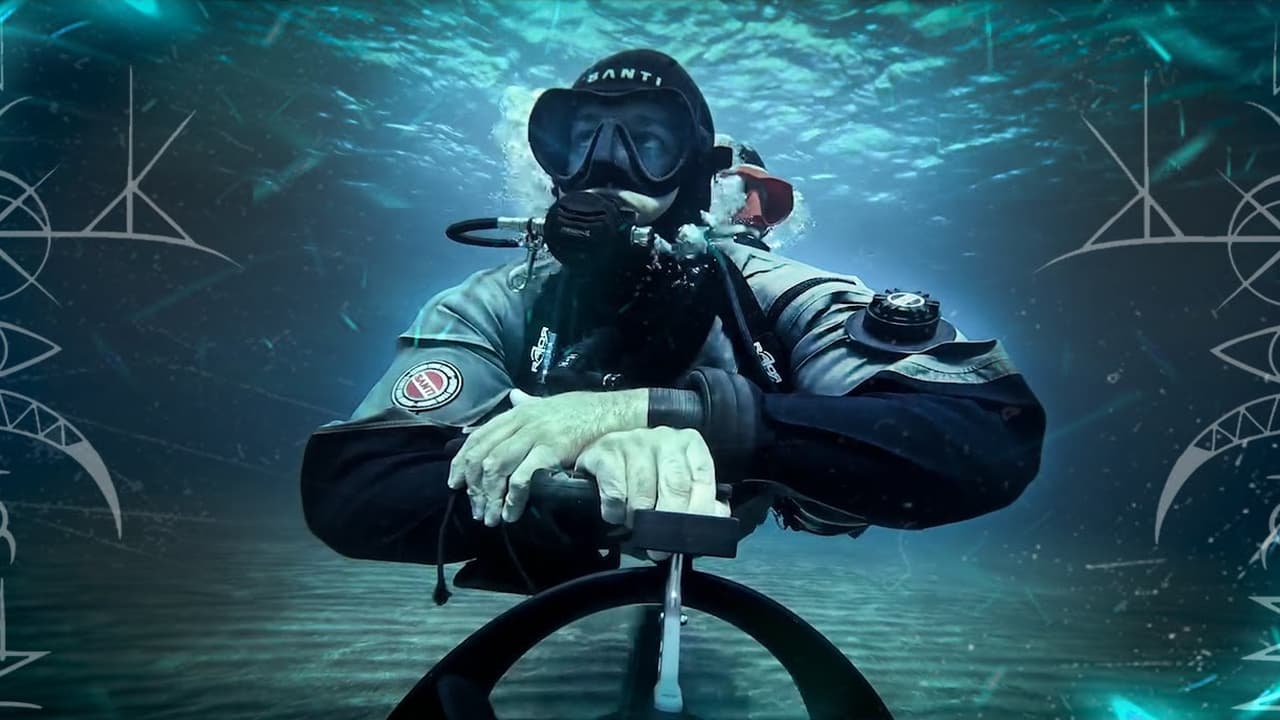
In the ever-evolving world of scuba diving, dive lights have transitioned from specialised tools used exclusively in the dark to indispensable components of every diver’s equipment setup - regardless of dive time or lighting conditions. Whether diving at noon in the tropics or deep within a wreck at midnight, the dive light plays a vital role in safety, communication, exploration, and even psychological comfort underwater. This article expands upon the principles covered in the video script, diving deeper into why and how lights are used, best practices for handling them, and advanced configuration tips that can elevate a diver's performance and confidence.
Historically, the dive torch was seen as something reserved for night dives or confined spaces. Today, it’s become standard gear on every dive. But what prompted this shift? Quite simply: versatility, safety, and the nuanced needs of modern dive environments.
Underwater, the loss of red and warm hues happens rapidly - even in daylight - leaving colours washed out and shadows concealing crucial details. A dive light restores visibility, highlights life within crevices, and assists in orientation and navigation. Most importantly, it enables underwater communication.
Gone are the days when divers relied solely on hand gestures. In limited visibility, or when divers are looking in different directions, a strong beam becomes your voice, cutting through the water column with clarity that gestures can’t always provide.
Dive lights aren’t just visual aids - they’re a language. Like all communication tools, they rely on clarity and discipline.
Here are the three foundational light signals every diver should master:
- OK: A slow, deliberate circular motion with the light, mirroring the traditional hand signal. This reassures teammates without needing direct eye contact.
- Attention: A steady, slow vertical motion - like waving a flag - directed at your team. Once you have their attention, follow it up with additional signals to convey your intent.
- Out-of-Gas (OOG): A rapid, unmistakable side-to-side horizontal shake. This is the underwater equivalent of shouting for help - its urgency must be reserved for emergencies only.
The key to effective signalling is avoiding confusion. When not signalling, always keep your beam steady and directed forward. Resist the urge to wave your torch around - it could easily be misinterpreted. Never shine it into another diver’s face unless necessary to get their attention, and stop immediately once they respond.
Many divers mistakenly leave their lights behind on sunny dives, thinking them unnecessary. But here’s why that’s a mistake:
- Shadows and crevices: Even at midday, coral heads, rocks, and overhangs can hide vibrant life invisible without a torch.
- Underwater photography: Natural light fades quickly with depth. A light restores colour to subjects and makes video footage dramatically better.
- Emergency signalling: If you’re lost at sea or drifting far from the group, a flashing torch beam is highly visible, even from a rescue boat.
- Communication at a distance: A light beam is often the only way to gain attention from far-off divers in low-contrast conditions.
If you become separated, shine your light in slow, vertical motions for up to one minute. This enhances your visibility and increases the likelihood that your team can locate you quickly.
For cave, wreck, or night dives, redundancy is essential. Each diver should carry:
- 1 Primary light – With a powerful beam, long battery life, and mounted via a Goodman handle for hands-free operation.
- 2 Backup lights – Compact torches clipped to shoulder D-rings for quick deployment.
Why a Goodman Handle?
This system allows the torch to remain fixed to your hand without needing to grip it, keeping your fingers free for valves, reels, or slates. When fitted with bungees and bolt snaps, it can even act as a platform for securing a backup torch in the event of a primary failure.
To adjust a Goodman handle:
- Loosen the lateral screw.
- Fit the handle snugly to your hand.
- Tighten the screw.
DIR guidelines recommend wearing it on the left hand, but adaptability is key - switch hands if the situation calls for it.
If your primary fails:
- Signal your team using the failed light (if possible).
- Activate your backup while it’s still clipped to the D-ring.
- Once you have full control, transfer it to your dominant hand or attach it to the Goodman handle using bungee loops.
To keep your backup accessible and secure:
- Clip it to your shoulder D-ring.
- Use a bungee to tether it to your wrist or compass bungee.
- Consider wetsuits with built-in wrist slots for storage.
- General diving: 700–1000 lumens is adequate.
- Night, cave, or tech dives: Aim for 2000–5000 lumens.
- Video lights: Use high-CRI, wide-angle lights - but don’t rely on these for communication or navigation.
The type of switch makes a huge difference:
- Push-button switches are ideal - easy one-handed operation.
- Twist switches often require both hands - avoid in situations where dexterity is limited.
To make your primary light hands-free and easily accessible:
- Attach a bolt snap to the head using small bungees secured with zip ties.
- Create a 6mm bungee loop around the light head - this serves multiple purposes:
- Holds your backup in place.
- Acts as a temporary handle when switching hands.
- Provides a place to temporarily stash cave markers or slates.
You can configure it in two ways:
- Top clip to D-ring: Projects beam forward - ideal for signalling or swimming.
- Bottom clip to D-ring: Angles beam downward - for writing, manipulating gear, or checking instruments.
To attach a bolt snap to your backup light:
- Use either cable ties or string - zip ties are often preferred for simplicity and quick replacement. In emergencies, they can be easily cut with a dive knife.
Dive lights are more than gadgets - they are tools of communication, safety, and mastery. A diver who understands their light, signals clearly, and configures their gear thoughtfully becomes a better teammate and a safer explorer.
From illuminating dark caverns to rescuing a lost diver in fading light, a well-managed dive light system is a mark of professionalism. Keep your kit sharp, your signalling deliberate, and your lights ready - and let the beam guide the way.