ART OF BALANCE
Equilibria
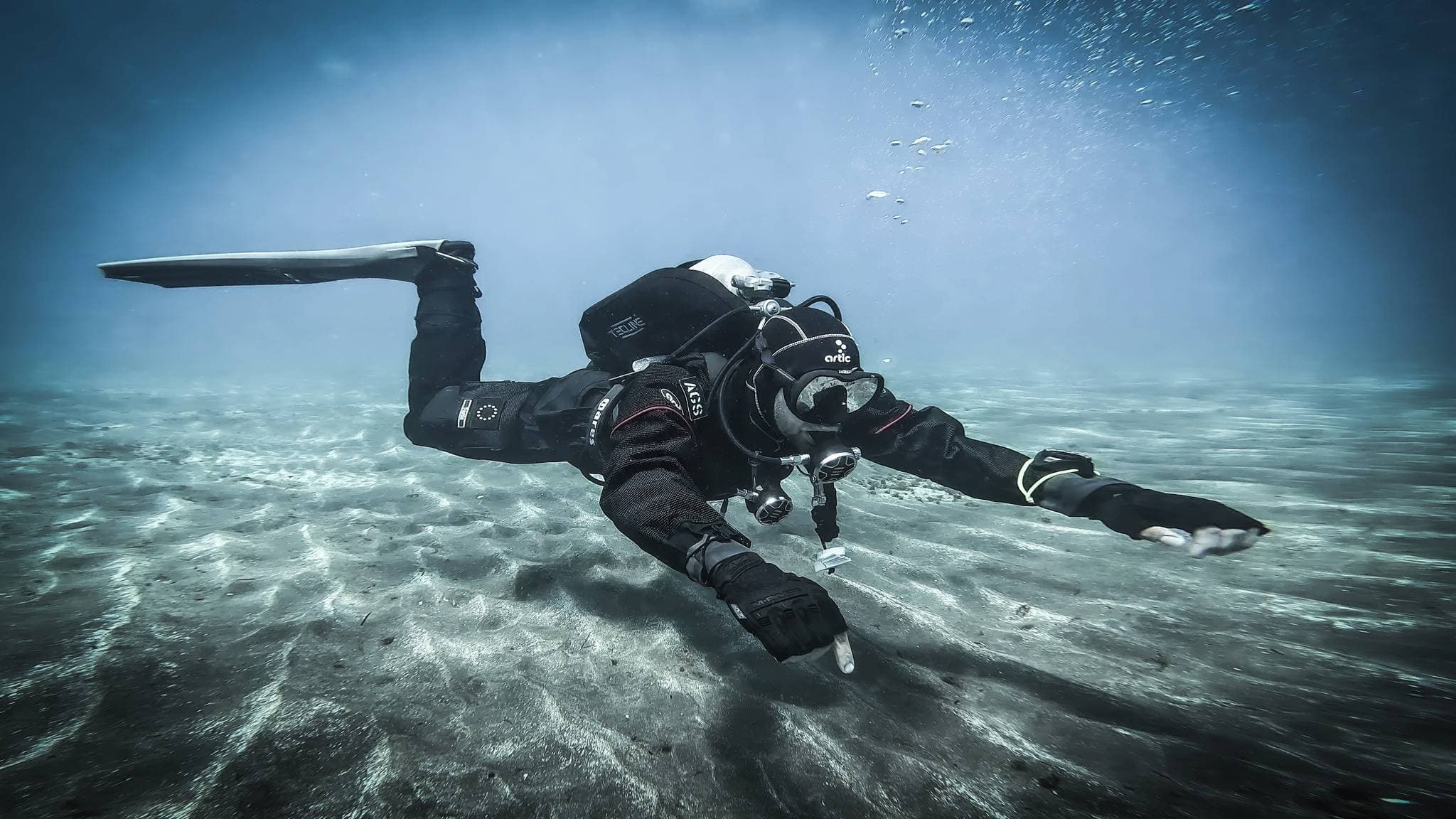
Buoyancy and trim as a discipline - not a checkbox skill.
curriculum
Who is this for
Equilibria suits divers who already sense that fighting the water with the inflator is a habit, not a skill - and who want stillness they can own when the dive gets busy. They care more about quiet control than looking busy with kit.
Who Is This Not For
It is not for a weak mind, for those who want a quick result, or for divers who cannot cope with failure. Equilibria digs where the challenge is sharpest - trim, breath-led depth control, and team verticals that break when you chase the inflator - and it will find those fault lines. If you are not fit for that work, stay away. Standards are the filter - not scarcity theatre.
Where Equilibria sits
Equilibria is module two of XBASE. It assumes everything confirmed in Genesis - mentality, configuration, planning, verification, and gas discipline. Mantras follows and assumes the trim, breath-led buoyancy, DSMB deployment, vertical control line setup, and team descents and ascents built here. Velocis, Driftar, and Furian build on that base in order.
Every XTEND, XPERIENCE, and XPLORE path lists Equilibria among its required modules. Later training adds complexity; it does not replace what is built here. Skip it only through an assessment day that proves the same gates.
Equilibria · questions
Frequently asked questions
Genesis completed with a FlowState Divers mentor - or an assessment day covering it before training days begin. Open Water certification from any recognised agency and valid scuba insurance still apply.
Yes. Purchase Equilibria online learning material (lifetime access), study it, then apply for online coaching. Buying the materials does not enroll you. In-person training is separate - theory is delivered by your mentor in session, and online learning material is optional. Equilibria is one of the four XBASE modules that support online coaching - the curriculum and competency gates stay the same either way. Your mentor confirms each skill before you advance.
Two independent tracks: in person with a FlowState Divers mentor (see available options here), or online. In-person training includes theory delivered in session; online learning material is an optional add-on and is not required to attend.
The online track starts with purchasing that module's online learning material, studying it, then applying for online coaching - buying the materials does not enroll you. You may mix in-person and online coaching module by module. Once registered, you have a student profile on the FlowState Divers website where both you and your mentor track progress.
Each module builds on the knowledge and skills from the modules before it. To begin with a module other than Genesis and continue through the rest of XBASE, you must demonstrate competency in every prior module. For example, starting at Mantras (module 3) requires an assessment day with your mentor covering Genesis and Equilibria before training days begin.
Every session is one-on-one with a mentor, or with your regular dive team (maximum three participants). Training includes structured theory, land-based skill development, and extensive in-water work. The schedule responds to your progression - modules advance when readiness is demonstrated, not when a weekend ends.
Your mentor holds standards, corrects in real time (or through online coaching on the mentorship platform), and confirms each competency before the next module.
FlowState Divers requires a minimum equipment set that must adhere to our standards. Some programmes have special equipment requirements that you need to verify on that programme's page before you start training. For the generic equipment list, check out our standards.
To train with FlowState Divers, you are required to be a certified diver. The minimum certification accepted is the Open Water Diver certification from any recognised agency.
In order to train with FlowState Divers, it is necessary to have valid scuba diving insurance that is recognised in the country where you will be completing your in-person training. If you do not currently possess insurance, it is advisable to contact your mentor prior to booking your training to explore your options. Your mentor may be able to assist in arranging suitable insurance, or they may provide guidance on the specific insurance requirements for the country in which your training will take place.