Feed
Peter G

Diving is often sold as accessible to everyone. The truth is harsher: the ocean doesn’t reward good intentions, only preparedness. Fitness isn’t optional - it’s the baseline for safety, reliability, and survival...
Peter G

There is a line every diver eventually meets - the point where rehearsed skills are no longer enough. XPERIENCE is that threshold. When plans unravel, equipment misbehaves, time compresses, and multiple problems collide...
Peter G
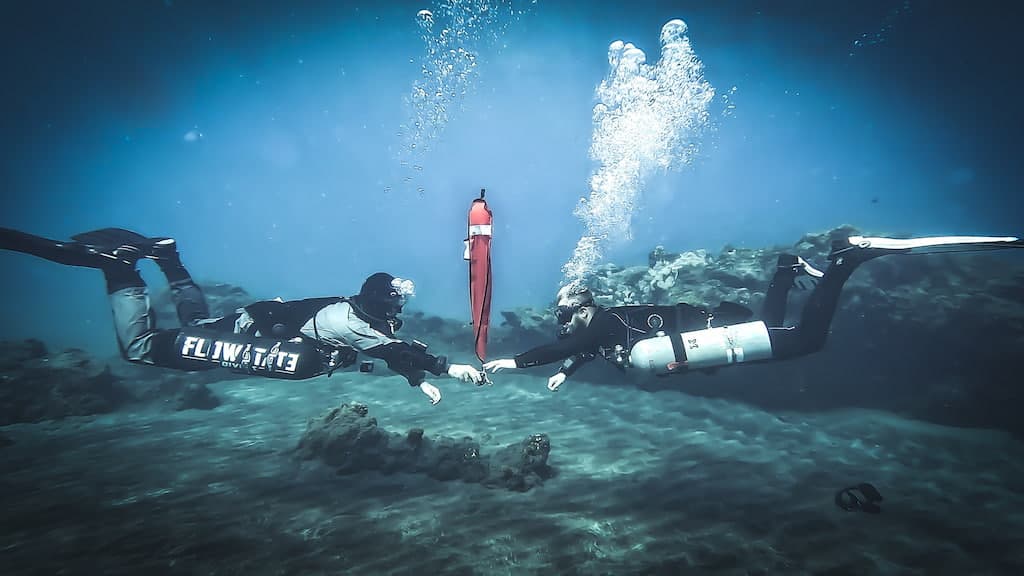
Most divers stop practicing the moment they’re certified - believing skill was something earned, not something maintained. But diving, like any true craft, reveals its depth only to those who treat it as a discipline....
Peter G
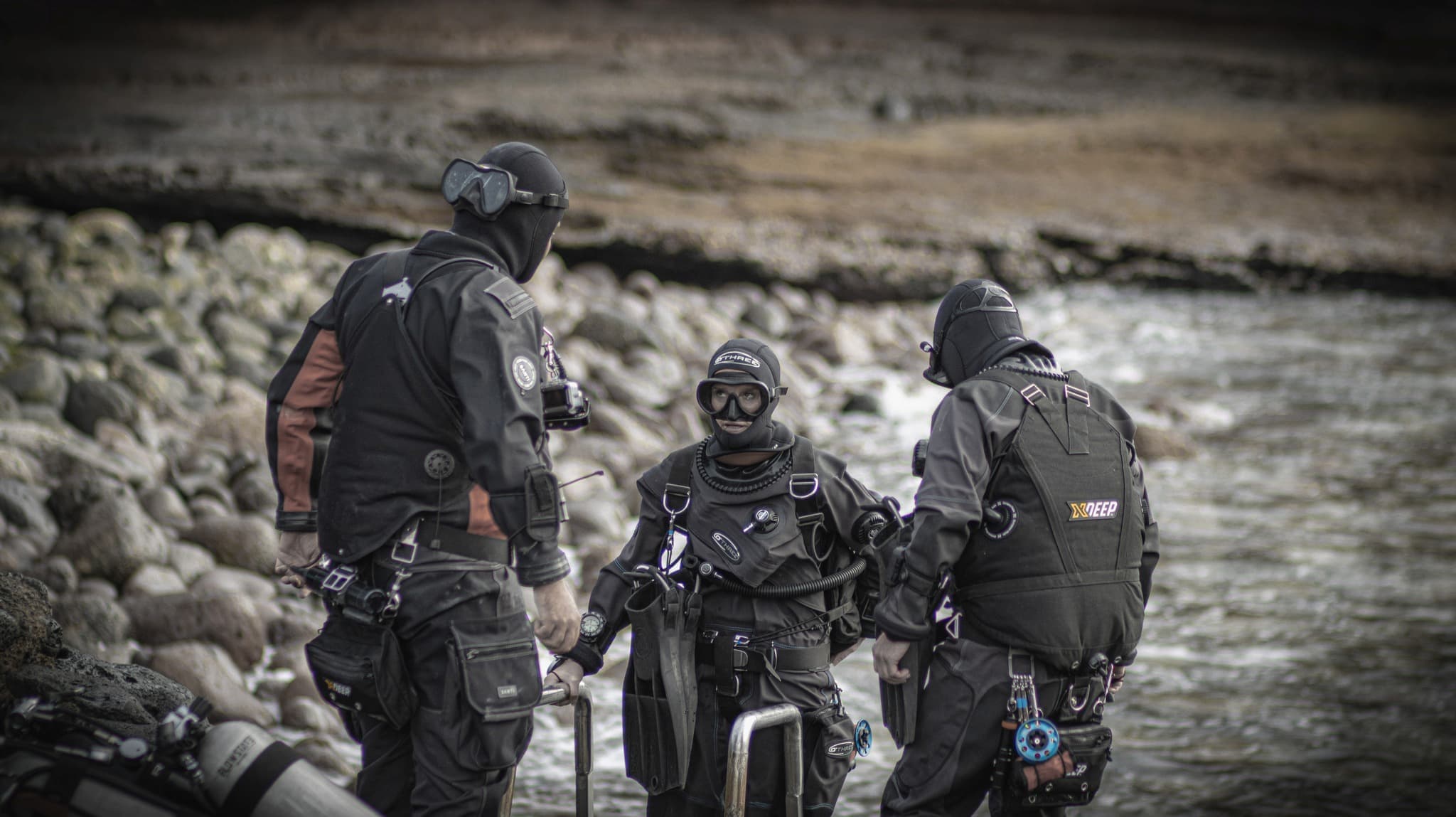
Once rooted in trust and training, the buddy system is now a shallow ritual — pairing strangers minutes before descent. When things go wrong, you're not a team. You're alone, pretending not to be. This is the illusion...
Peter G
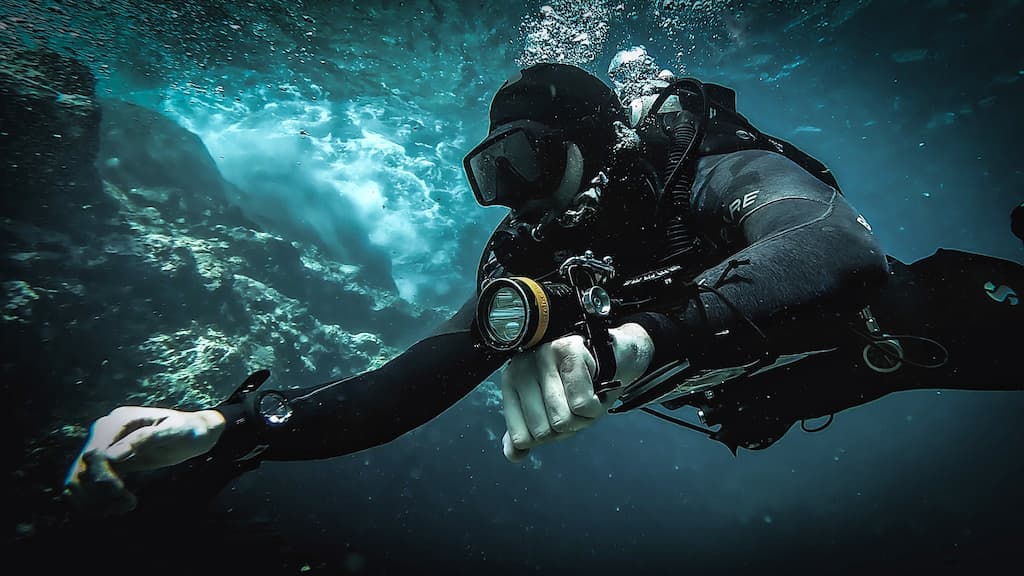
You’ve got the card, but do you have the competence? Most divers are trained to pass, not to dive. This article tears open the myth of mastery and invites you to rethink what it really means to be a skilled, dependable...
Peter G
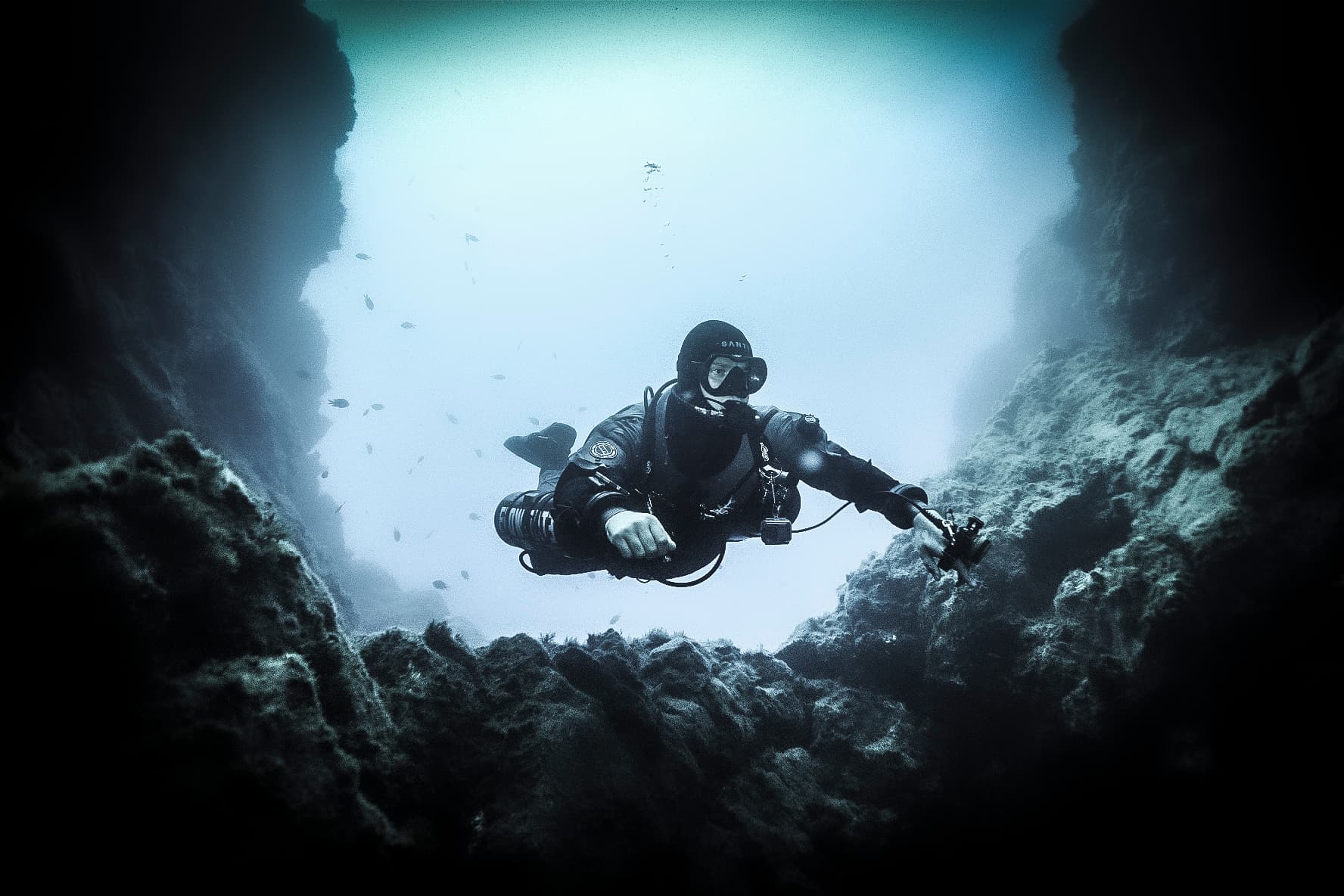
In a world of constant noise and distraction, diving offers something rare: a state of pure presence. Beneath the surface, thought and action merge. Time softens. You don’t try to focus - you simply are. This article...
Peter G
Discover the DIR (Doing It Right) diving philosophy - a minimalist, standardised approach to scuba diving that enhances safety, efficiency, and team cohesion. Learn how DIR principles evolved from cave diving to...
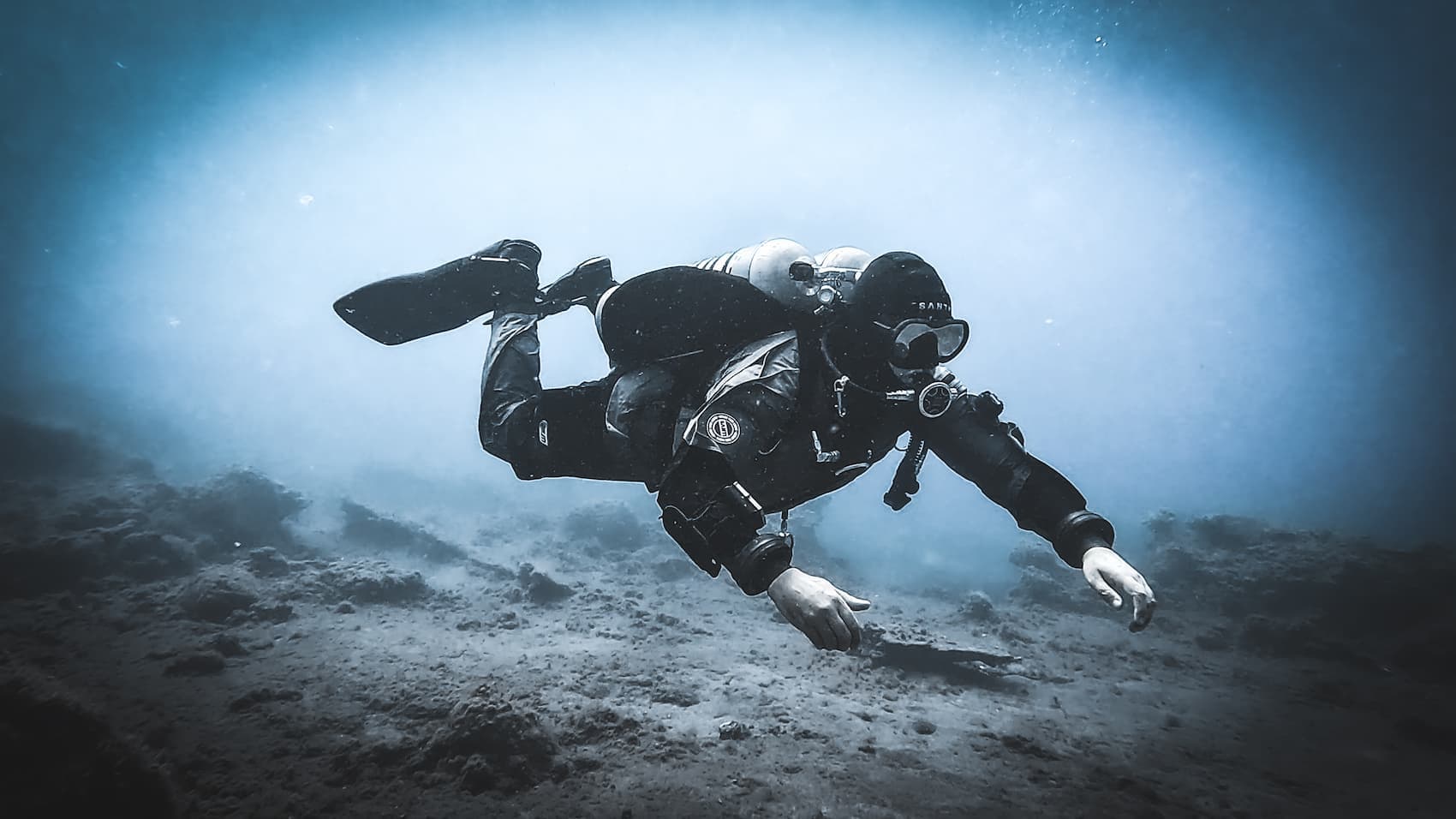
Becoming a competent diver starts with learning how to work with the water, not against it. Training should focus on patience and control, often beginning in shallow water rather than going deep too quickly. Key skills include managing breathing, understanding buoyancy, and maintaining awareness of body position and movement.
Equipment that feels awkward at first - like using two cylinders - becomes manageable with time and proper practice. Progress comes from repetition and structured training, building skills step by step. Discipline isn’t something to resist; it’s what develops consistency, focus, and reliability.
The takeaway is simple: don’t rush the process. Strong fundamentals are what make advanced diving possible. Consistent, deliberate practice leads to real improvement, and over time, solid skills become second nature.
Underwater, the world forgets its sharp edges. Light drifts instead of shines, movement slows into something almost thoughtful, and every image feels borrowed rather than taken. To capture what lives beneath the surface is to accept that beauty appears briefly, on its own terms, and that the deepest moments arrive only when you stop trying to control them.
Our latest video marks a reset. A new approach where every piece is treated like a short film - more intentional, more immersive, and crafted without compromise. From the way we film underwater to how we design sound and story, everything has evolved.
This isn’t just another upload. It’s the start of something new.
Head over to our YouTube channel to check out the new creation!
Finishing off the year with a bang, we stepped into the water not merely to train, but to listen. For in the depths, the noise of the surface world fades, and what remains is truth.
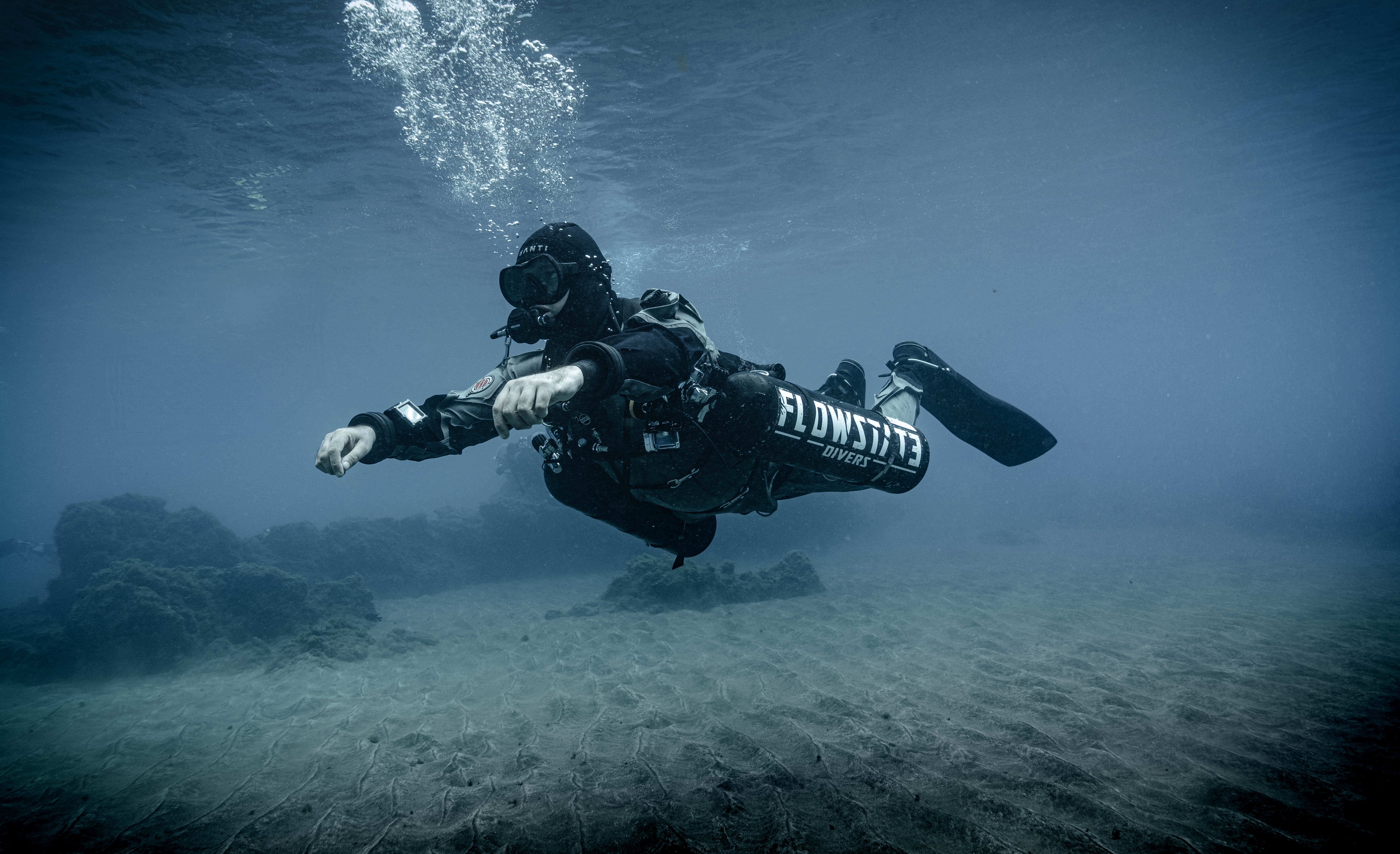
This sidemount training was not just about cylinders configured correctly , valves operated correctly, or trim controlled with ease. Those are only the visible forms of the practice. As any of our student would know, form without awareness is hollow. Technique without presence is fragile. The water has a way of revealing this - quietly, relentlessly, without judgment.
Many arrive believing they already know their strengths. Others carry doubts, convinced of their limits long before they ever reach them. Sidemount has little interest in either story. It does not care what we think we can do. It responds only to what we are doing, moment by moment. Balance exposes imbalance. Task loading reveals the cracks in attention. Complexity magnifies habits - both good and bad. In this way, training becomes a mirror.
And mirrors can be uncomfortable.
There is a moment in learning - often subtle, sometimes sharp - when perception and reality drift apart. The mind says, I have this under control, while the body tells another story. Or the mind whispers, I am not ready, while capability quietly waits beneath the surface. Sidemount training has a talent for creating these moments. It places the participant at the edge of their perceived skill and asks a simple question: Are you willing to see clearly?
This is the true work.
Not everyone will leave with the same answer, and that is as it should be. Training does not bestow mastery. It offers opportunity. It reveals pathways. It shows where effort is aligned and where it is wasted. What happens next is not decided by the mentor, the configuration, or the certification card. It is decided by the individual. So too with skill, awareness, and growth. A participant can turn away from what was revealed, smoothing it over with excuses and comfort. Or they can lean into it, using the clarity gained to refine, simplify, and rebuild stronger than before.
As we close out the year, this training stands as a reminder: progress is not measured by how impressive we look, but by how honestly we assess ourselves. The greatest advancement often begins with a quiet realization - I am not yet what I thought I was… and that means I can become more.